eSIM vs Physical SIM: Which Is Better for Travelers?
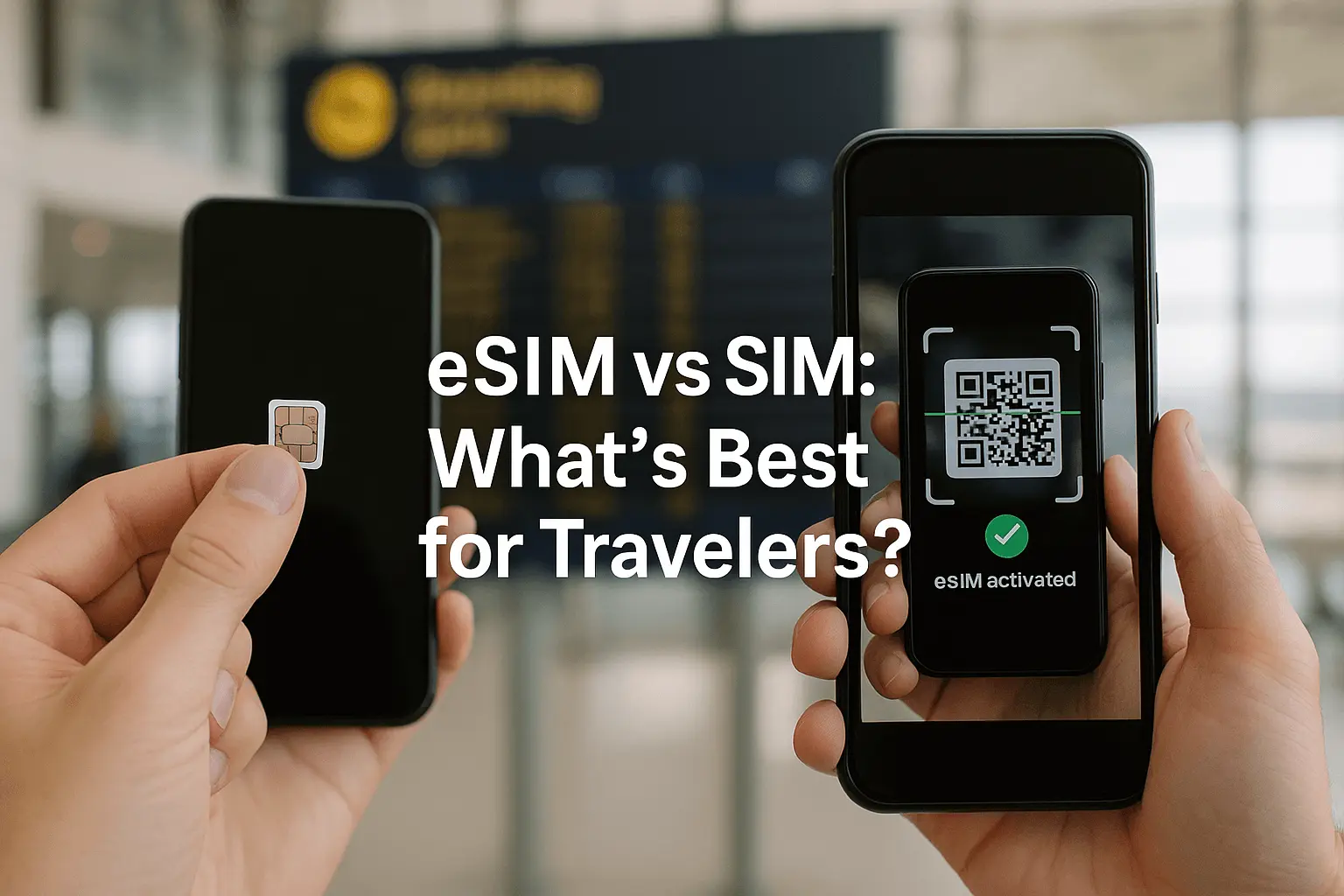
Table of Contents
Explore the future of travel connectivity with a side-by-side comparison of eSIM and physical SIM cards.
In a world that is becoming more and more connected, being able to stay online while traveling is no longer a luxury; it’s a need. Reliable MIME and reliable internet access make Socio-Emotional Development a lot easier. The physical SIM card has been the best way to connect to mobile networks for years. There is, however, a new competitor that is quickly gaining ground: the embedded SIM, or eSIM.
This digital option promises to be the most convenient and flexible option, especially for people who travel a lot. But how does it really compare to its traditional counterpart? This in-depth guide compares eSIMs and physical SIMs side by side, looking at their features, pros and cons, and ultimately helping you choose which one is the best option for your travel connectivity needs.
What is a SIM card that you can touch?
A physical Subscriber Identity Module (SIM) card is a small plastic card with a microchip in it that can be taken out. This chip safely keeps your International Mobile Subscriber Identity (IMSI) number and its key, which your mobile network operator uses to identify and verify you.
You can use a physical SIM card to connect your phone to a specific cellular network. This lets you make calls, send texts, and use mobile data. For people who travel, this usually meant buying a local SIM card when they got to a new country or using their home provider’s expensive international roaming plans.
Physical SIM cards are widely used and understood, but they have some built-in problems, especially for people who travel abroad a lot. The need to switch cards in person, the chance of losing them, and the trouble of keeping track of multiple local numbers can all make traveling less enjoyable.
What is an eSIM?
An eSIM, or embedded Subscriber Identity Module, is a digital SIM that is built into a device that can use it, like a smartphone, tablet, or smartwatch. You don’t have to put in or take out a small piece of plastic like you do with a physical SIM card. The eSIM profile is downloaded and turned on from a distance instead.
This technology lets users easily switch between different mobile network operators and data plans by tapping a few times on their device settings. This gives them more freedom than ever before.
This means that travelers won’t have to look for local SIM card sellers, deal with language barriers, or worry about losing a small but important part. Getting connected abroad is easier with eSIMs. All you have to do is scan a QR code or download a profile. This digital method not only makes it easier to connect, but it also opens up new ways to connect multiple devices and roam around the world without any problems.
A Direct Comparison of eSIM and Physical SIM
| Feature | Physical SIM | eSIM |
|---|---|---|
| Form | Plastic card that can be taken out | Digital profile with an embedded chip |
| Starting | Putting something in physically | Download from a distance or scan a QR code |
| Changing Plans | Needs a physical SIM card swap | Digital, through device settings |
| Several Numbers | Limited by physical slots | You can store more than one profile, but only one can be active at a time |
| Compatibility with devices | Needs a SIM tray and a certain size (mini, micro, nano) | Needs a device that works with eSIM |
| Portability | Can be moved from one compatible device to another | Linked to the device, but the profile can be moved |
| Safety | Physical security can be stolen or lost | Digital security, which is less likely to be lost in the real world |
| Ease of use | Not as easy to change plans often | Very easy to change plans often |
| Effects on the environment | Plastic waste from making and throwing away | Less physical waste |
Benefits of eSIM for Travelers
- Quick Activation and Ease of Use: Activate a data plan almost right away. No need to go to a store, wait in line, or swap SIMs.
- Multiple Profiles, Easy Switching: Store and switch between multiple eSIM profiles for different countries or carriers.
- Enhanced Security: Built-in design makes eSIMs less vulnerable to theft or loss.
- Good for the Environment: No plastic cards or waste, making eSIMs the greener choice.
- Dual SIM Functionality: Use both a physical SIM and an eSIM simultaneously to avoid roaming charges.
- More Affordable Data: Competitive rates, especially when compared to traditional international roaming.
Drawbacks of eSIM
- Device Compatibility: Not all devices support eSIMs, particularly older or budget models.
- Moving Between Devices: Requires remote profile transfer, which can be less convenient than swapping physical SIMs.
- Learning Curve for Initial Setup: New users may need guidance navigating device settings for activation.
- Limited Availability in Some Areas: Not all regions or carriers support eSIM yet, requiring a physical SIM backup.
So, which one is best for you?
Ultimately, whether you choose an eSIM or a physical SIM depends on how you travel, what devices you have, and what you like. The eSIM is definitely the best choice for the modern, tech-savvy traveler who values convenience, flexibility, and saving money. It is an essential tool for dealing with the difficulties of international travel because it can connect you instantly, let you switch between plans without any problems, and make your data more secure.
But for people with older devices or who like the simplicity and universal compatibility of a physical card, the traditional SIM is still a good choice. It’s also a good backup in places where eSIM support may still be growing.
The trend is clearly pointing toward a future where eSIMs are the main type of SIM card. Because of their environmental benefits and built-in digital advantages, they are likely to become the standard for global connectivity. For travelers looking to embrace the future of hassle-free communication, exploring eSIM options is a step towards a more connected and enjoyable journey.
Get Started with eSimy
eSimy can help you get your eSIM today!
Are you ready to see what travel connectivity will be like in the future? esimy.net has a lot of eSIM plans for more than 165 countries. You can stay connected wherever your adventures take you with instant activation, competitive data rates, and customer support that is available 24/7.
With eSimy, you can say goodbye to the problems that come with physical SIM cards and enjoy seamless global connectivity.