 Connected in Southeast Asia
eSIM Southeast Asia
8 countries and the night buses, ferries and border posts in between
Choose a Southeast Asia eSIM plan
Choose the perfect plan for your Southeast Asia adventure
1 GB
7 Days- 1 GB Internet
- Wi-Fi Hotspot Allowed
- Instant Activation
- Validity Starting on First Use
3 GB
30 Days- 3 GB Internet
- Wi-Fi Hotspot Allowed
- Instant Activation
- Validity Starting on First Use
5 GB
30 Days- 5 GB Internet
- Wi-Fi Hotspot Allowed
- Instant Activation
- Validity Starting on First Use
10 GB
30 Days- 10 GB Internet
- Wi-Fi Hotspot Allowed
- Instant Activation
- Validity Starting on First Use
All plans include 4G/5G coverage across Southeast Asia • No contracts • Instant Activation
Why travelers choose Esimy
- No contracts
- 24-hour days, counted from your first connection at your destination
- Add data to the same eSIM anytime
- Wi-Fi hotspot: Allowed on all plans
Before you buy your Southeast Asia eSIM
Is my phone compatible?
Quick check: dial *#06# on your phone. If an EID number appears, your phone supports eSIM. It also needs to be carrier-unlocked.
How much data do I need?
A rough estimate based on typical use. Video and hotspot use the most data.
eSIM Southeast Asia: eight countries on one plan, Bangkok to Bali
With an eSIM Southeast Asia plan you can land in Bangkok, take the night train to Chiang Mai, cross into Laos and fly on to Hanoi, Bali or Singapore without looking for a SIM shop each time. All eight countries share one QR code and one data balance.
On the ground, the eSIM uses each country’s own networks: AIS and dtac in Thailand, VinaPhone and MobiFone in Vietnam, Telkomsel, XL Axiata and Smartfren in Indonesia, CelcomDigi and U Mobile in Malaysia, Singtel in Singapore, Globe in the Philippines, Metfone in Cambodia and Lao Telecom in Laos. Two big names are missing: Viettel and Smart aren’t included.
Cities, airports and the main tourist towns get solid 4G/LTE. The weak spots are the ones you’d guess: small islands, Borneo’s jungle interior and the hills of northern Laos, where the slow boat to Luang Prabang spends long hours with little or no signal.
It’s data only. Grab, Gojek, WhatsApp, LINE and Zalo all run over data, so you can book rides and message guesthouses while the home SIM keeps receiving bank codes. A Southeast Asia eSIM also skips the passport check that comes with an airport SIM card. Validity starts when it first connects in any of the eight countries, and top-ups go onto the same eSIM.
Southeast Asia eSIM at a glance
- Networks
- AIS, dtac, VinaPhone, MobiFone, Telkomsel and more
- Speed
- 4G/LTE, 5G where available
- Plans
- 5 · from 2.49 €
- Validity
- 7–30 days 24-hour days, counted from your first connection at your destination
- Wi-Fi hotspot
- Allowed on all plans
- Calls & SMS
- Data only
- Top-up
- Add data to the same eSIM anytime No new QR code needed
- Delivery
- Instant delivery by email and in the Esimy app
- Refunds
- Within 30 days of purchase if the QR code hasn't been scanned Refund policy
Compare Southeast Asia eSIM plans
Need help with your Southeast Asia eSIM?
Real people, 24/7Message our support team on WhatsApp or by email. We help with installation, activation and connection problems, day and night.
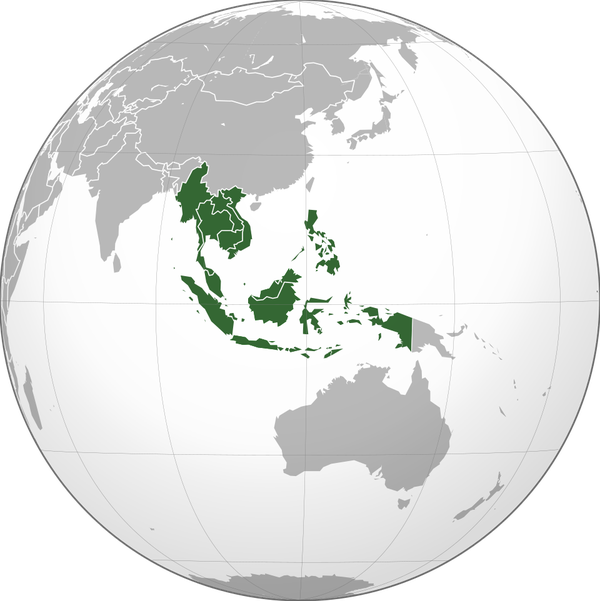
Countries included in your Southeast Asia eSIM
8 countriesCountries and local networks included with your Southeast Asia eSIM.






No matching countries in this plan. Try another country name.
One eSIM for your trip. Use your plan across the countries above.
How Esimy Works?
Select a Package
Choose from range of multiple countries/packages.

Scan QR Code with instructions received over your email
Easy activation with email details or our intuitive website dashboard.

Ready for travel!
Have the best trip possible without internet hassles.
Manage your eSIM with the Esimy App
Install, activate, and track your data — all from your phone.
- Add data to the same eSIM anytime
- Free 1 GB on every app order of 3 GB or more
- Send eSIMs as gifts and redeem the ones you receive
- Get notified about your data usage
- 5% back in your Esimy Wallet on every order
- Invite friends: €3 for you and €3 for them
Get it now
Available on the App Store and Google Play

eSIM vs Physical SIM Card in Southeast Asia
Compare the benefits of using an eSIM data plan versus a traditional SIM card for international travel to Southeast Asia.
Southeast Asia Travel and Connectivity Guide
Which network you'll be on, where it drops, and how much to buy
Networks by country
• Thailand: AIS, dtac
• Vietnam: VinaPhone, MobiFone
• Indonesia: Telkomsel, XL Axiata, Smartfren
• Malaysia: CelcomDigi, U Mobile
• Singapore: Singtel
• Philippines: Globe
• Cambodia: Metfone
• Laos: Lao Telecom (LTC)
Left out: Viettel in Vietnam and Smart in the Philippines. Expect 4G/LTE. Nothing is slowed down on our end; real-world speed comes down to signal, place and handset.
Crossing borders
Plenty of people do this region by bus. Aranyaprathet to Poipet on the way to Siem Reap, the bridge at Chiang Khong into Huay Xai, Moc Bai on the Ho Chi Minh City to Phnom Penh run, the Johor Bahru causeway into Singapore: on the far side, your phone finds a covered network and attaches to it automatically. Allow a few minutes. Toggling airplane mode usually hurries it along. Flights are no different, so it reconnects when you land in Denpasar, Manila or Hanoi. The 30-day clock keeps running from your first connection, and your remaining data comes with you.
Data usage tips
• 1 GB (7 days): a Singapore stopover, or a few days in Bali with Grab, maps and messages
• 3 GB (30 days): two slow weeks where you’re on guesthouse Wi-Fi most evenings
• 5–10 GB (30 days): two to four weeks on the backpacker circuit, with Instagram, 12Go bookings and some video calls
• 20 GB (30 days): a month working from Chiang Mai, Canggu or Da Nang, or daily hotspot use
Need more? Add data to the eSIM you already have.
Islands and jungle
Small islands and the jungle interior are where signal gets patchy. That means boat days among the islands of Palawan’s Bacuit Bay, the smaller islands around Komodo, inland Borneo on both the Malaysian and Indonesian sides, and the hills of northern Laos, including much of the two-day slow boat down the Mekong to Luang Prabang. Screenshot your bookings and save offline maps before you set off.
Getting around with an eSIM Southeast Asia plan
Grab handles rides and food delivery in most of these countries, with Gojek as the local favorite in Indonesia. 12Go sells bus, train and ferry tickets, including cross-border routes. Thais message on LINE, Vietnamese on Zalo, and WhatsApp works throughout. Google Maps is fine in every covered country; download the offline area for Laos before heading north.
Not covered
Myanmar, Brunei and Timor-Leste are outside this plan. Brunei has its own Brunei eSIM, worth adding if you cross over from Sarawak or Sabah. Going on to Japan, Korea or China? The wider Asia eSIM covers those.
Why travelers choose Esimy Southeast Asia
- Eight countries on a single QR code, Singapore and Indonesia included
- Three networks in Indonesia, and two each in Thailand, Vietnam and Malaysia
- The 30-day clock starts on first connection, not at checkout
- Checkout by card, Google Pay or Apple Pay, with no passport upload
- Share it as a hotspot, then add data to it when it runs low
Support
24/7 help by WhatsApp, live chat or email, including when the night bus lets you off in Hanoi at dawn.
eSIM FAQs
Common questions about using eSIM in Southeast Asia
How good is coverage on the islands and in Borneo?
Patchy once you leave the main towns. Expect dead zones on island-hopping trips in Palawan, on Indonesia’s smaller islands, deep in the Borneo jungle (Sabah, Sarawak and Kalimantan alike) and in northern Laos. Bali, Phuket, Penang and Singapore itself are well covered.
Should I get a Southeast Asia SIM card at the airport instead?
An airport SIM card in Bangkok, Denpasar or Manila usually means a queue, a passport check and swapping out your home SIM, and then you repeat it at the next border. The eSIM goes on your phone at home, connects when you land and carries on into the next country. A local SIM still makes sense if you need a local number, or you’re spending months in one place.
Would single-country eSIMs cost less?
Sometimes, yes. For two weeks in Thailand alone, our Thailand eSIM is often the cheaper buy, and the same goes for a trip that stays in Vietnam (Vietnam eSIM). The regional plan pays off once a second country joins the route, say Thailand and Vietnam, or Bali with a Singapore stopover, because one plan covers both.
Will my phone support it?
If it’s eSIM-capable and not locked to a carrier, it should. That includes recent iPhones, Pixels and Galaxy phones; our list of supported devices has the full picture.
Is hotspot allowed?
It is. Tether a laptop in a Chiang Mai café or share with a friend on the ferry to the Gili Islands. Hotspot use eats data, so 10 GB or 20 GB makes more sense if you do it daily.
Can I top up the Southeast Asia eSIM?
Yes, in the Esimy app or your account dashboard. The data goes onto the eSIM you already have, so there’s no new QR code and nothing to reinstall.
Which plan size suits a two-week trip around Southeast Asia?
Most people do well with 5 GB or 10 GB. Five covers maps, Grab, messaging and some uploads if you use guesthouse Wi-Fi in the evenings; ten leaves room for video calls and plenty of photos. A Singapore stopover plus a few days in Bali often fits in 3 GB. Every plan from 3 GB up runs for 30 days once it first connects.
Is there a phone number, or is it data only?
Data only: no local number, calls or texts. WhatsApp, LINE, Zalo and Grab’s in-app chat cover most of what you’d use a number for. One catch is sign-ups that send an SMS code, so leave your home SIM on in dual-SIM mode to receive those.
Does the eSIM switch over when I cross from Malaysia into Singapore?
Automatically. Coming over the Johor Bahru causeway by bus, or on the shuttle train to Woodlands, your phone drops CelcomDigi or U Mobile and joins Singtel. Give it a minute or two after immigration. The same happens at Padang Besar on the Thai–Malaysian border, so one eSIM handles the whole Thailand, Malaysia and Singapore run.
Which networks does the eSIM use in Thailand?
AIS and dtac. Between them they cover Bangkok, Chiang Mai, Phuket and Krabi well, plus the main rail and bus routes.
Which countries are included, and which aren’t?
Eight are in: Thailand, Vietnam, Indonesia, Malaysia, Singapore, the Philippines, Cambodia and Laos. Myanmar, Brunei and Timor-Leste are not. Brunei has its own Brunei eSIM; for Japan, Korea, China and the rest of Asia, look at our Asia eSIM.
What is the best eSIM for Southeast Asia?
Picking an eSIM for Southeast Asia travel comes down to your route. If you’ll see two or more of Thailand, Vietnam, Indonesia, Malaysia, Singapore, the Philippines, Cambodia and Laos, one regional eSIM saves you buying and installing a new one per country. Esimy’s covers all eight on local networks such as AIS, Singtel and Telkomsel, allows hotspot and keeps a single data balance for the whole trip. Sizes run from 1 GB (7 days) through to 20 GB (30 days).