 Connected in South America
eSIM South America
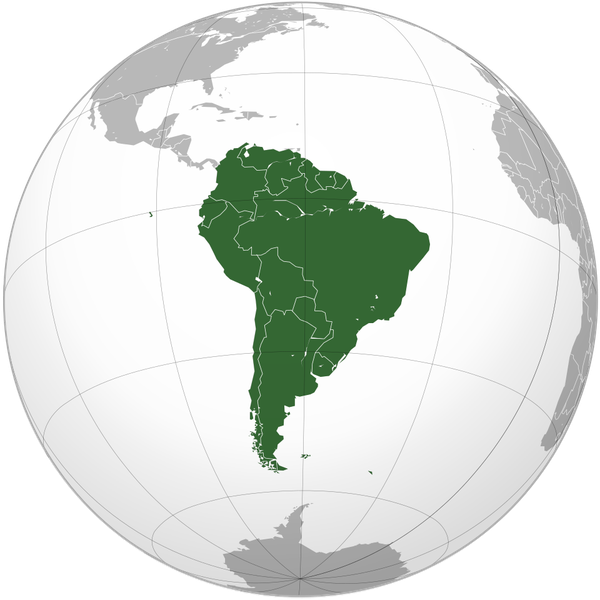
9 countries on one eSIM, for a loop from Lima through La Paz to Buenos Aires
Choose a South America eSIM plan
Choose the perfect plan for your South America adventure
1 GB
7 Days- 1 GB Internet
- Wi-Fi Hotspot Allowed
- Instant Activation
- Validity Starting on First Use
3 GB
30 Days- 3 GB Internet
- Wi-Fi Hotspot Allowed
- Instant Activation
- Validity Starting on First Use
5 GB
30 Days- 5 GB Internet
- Wi-Fi Hotspot Allowed
- Instant Activation
- Validity Starting on First Use
10 GB
30 Days- 10 GB Internet
- Wi-Fi Hotspot Allowed
- Instant Activation
- Validity Starting on First Use
All plans include 4G/5G coverage across South America • No contracts • Instant Activation
Why travelers choose Esimy
- No contracts
- 24-hour days, counted from your first connection at your destination
- Add data to the same eSIM anytime
- Wi-Fi hotspot: Allowed on all plans
Before you buy your South America eSIM
Is my phone compatible?
Quick check: dial *#06# on your phone. If an EID number appears, your phone supports eSIM. It also needs to be carrier-unlocked.
How much data do I need?
A rough estimate based on typical use. Video and hotspot use the most data.
eSIM South America for the backpacking loop through the Andes, and Brazil too
An eSIM South America plan from Esimy puts nine countries on one QR code, which suits the classic loop: Lima, Cusco, La Paz, the Uyuni salt flats, San Pedro de Atacama and on to Buenos Aires. Install it once. It joins a local network every time you cross a border.
Each country has its own networks. In Brazil the plan runs on Vivo and TIM, in Argentina on Movistar and Personal, in Chile on Movistar and WOM, and in Colombia, Peru and Ecuador on Movistar. Uruguay uses Antel, Paraguay uses Personal and Bolivia uses Viva. Claro isn’t included anywhere. Iguazú Falls sit on the Argentina–Brazil border, and since both countries are in the plan, you keep data in Puerto Iguazú and in Foz do Iguaçu.
Be realistic about the empty places. Signal is thin in Patagonia, deep in the Amazon, on the high Andean passes and across the Bolivian altiplano, so most of a Uyuni jeep tour happens offline. The Galápagos have limited coverage too.
Compared with buying a South America SIM card at each border, there’s less admin: no kiosk queue in every new country, no swapping plastic SIMs. The eSIM is data only, so your home SIM stays on for calls and bank codes while WhatsApp handles the rest. Validity starts on first connection in any of the nine countries, and you can top up the same eSIM when a long trip outlasts the data.
South America eSIM at a glance
- Networks
- Movistar, Personal, Vivo, TIM, WOM and more
- Speed
- 4G/LTE, 5G where available
- Plans
- 5 · from 2.99 €
- Validity
- 7–30 days 24-hour days, counted from your first connection at your destination
- Wi-Fi hotspot
- Allowed on all plans
- Calls & SMS
- Data only
- Top-up
- Add data to the same eSIM anytime No new QR code needed
- Delivery
- Instant delivery by email and in the Esimy app
- Refunds
- Within 30 days of purchase if the QR code hasn't been scanned Refund policy
Compare South America eSIM plans
Need help with your South America eSIM?
Real people, 24/7Message our support team on WhatsApp or by email. We help with installation, activation and connection problems, day and night.
Countries included in your South America eSIM
9 countriesCountries and local networks included with your South America eSIM.






No matching countries in this plan. Try another country name.
One eSIM for your trip. Use your plan across the countries above.
How Esimy Works?
Select a Package
Choose from range of multiple countries/packages.

Scan QR Code with instructions received over your email
Easy activation with email details or our intuitive website dashboard.

Ready for travel!
Have the best trip possible without internet hassles.
Manage your eSIM with the Esimy App
Install, activate, and track your data — all from your phone.
- Add data to the same eSIM anytime
- Free 1 GB on every app order of 3 GB or more
- Send eSIMs as gifts and redeem the ones you receive
- Get notified about your data usage
- 5% back in your Esimy Wallet on every order
- Invite friends: €3 for you and €3 for them
Get it now
Available on the App Store and Google Play

eSIM vs Physical SIM Card in South America
Compare the benefits of using an eSIM data plan versus a traditional SIM card for international travel to South America.
South America Travel and Connectivity Guide
Networks, border crossings and dead zones, country by country
Networks by country
• Brazil: Vivo, TIM
• Argentina: Movistar, Personal
• Chile: Movistar, WOM
• Colombia: Movistar
• Peru: Movistar
• Ecuador: Movistar
• Uruguay: Antel
• Paraguay: Personal (Núcleo S.A.)
• Bolivia: Viva
Claro isn’t included in any of the nine countries. Speeds are 4G/LTE. We don’t throttle on our side, so what you actually get depends on signal, location and your phone.
Where eSIM South America coverage is thin
• Patagonia: long gaps between towns, around Torres del Paine and along the Carretera Austral
• The Amazon: jungle lodges and river trips are usually out of range
• High Andean passes, such as the Los Libertadores crossing between Mendoza and Santiago
• The Bolivian altiplano, including the Salar de Uyuni
• The Galápagos, where coverage is limited
Save offline maps and your bookings before any of these legs.
Crossing borders
Cross into the next country, by bus over the Andes or on a flight from Lima to Santiago, and the eSIM leaves the old network and joins a covered one on the other side without you doing anything. A few minutes with no bars is normal while that happens; if it drags on, switch airplane mode on and off once. Nothing resets. Your data balance and your validity carry on as a single plan. On the three-day jeep tour from Uyuni to San Pedro de Atacama you’ll be offline for most of the drive, and the phone reconnects on the Chilean side. The ferry from Buenos Aires to Colonia del Sacramento works the same way: Antel takes over once you’re in Uruguay.
Data usage tips
• 1 GB (7 days): a long weekend in Buenos Aires or a stopover in Bogotá, with maps, Uber and WhatsApp
• 3–5 GB (30 days): two or three weeks on the road if you book buses and hostels on Wi-Fi and keep mobile data for maps and messages
• 10 GB (30 days): a month-long loop with Instagram, video calls home and the odd hotspot session
• 20 GB (30 days): remote work from Medellín or Buenos Aires, or sharing data with a travel companion
Traveling for longer than 30 days? Top up the same eSIM instead of buying a new one.
Before you go
This plan doesn’t cover Venezuela, Guyana, Suriname or French Guiana. Three of those have their own Esimy plans: Guyana eSIM, Suriname eSIM and French Guiana eSIM. Install the eSIM on Wi-Fi at home. When you land, turn on Data Roaming for the eSIM line and set it as your mobile-data line; the APN sets itself.
Apps that help
WhatsApp is how hostels, tour agencies and drivers talk to you across the continent, often more than email. Uber, Cabify and DiDi (called 99 in Brazil) cover rides in the big cities, and Moovit helps with city buses and metros. Download the offline Spanish and Portuguese packs in Google Translate before you reach the altiplano or the Amazon.
Why travelers choose Esimy South America
- One eSIM for nine countries, installed once before the trip
- Two networks available in Brazil, Argentina and Chile
- Validity counts from the first connection, so it’s fine to install weeks ahead
- No ID check; pay by card, Apple Pay or Google Pay and the QR code arrives by email
- Hotspot allowed, and extra data goes onto the same eSIM
Support
Support is open 24/7 on live chat, email and WhatsApp, which helps on a 2 a.m. arrival in Lima.
eSIM FAQs
Common questions about using eSIM in South America
Does it work on both sides of Iguazú Falls?
Yes. The falls are split between Argentina and Brazil, and both are in the plan, so the same eSIM works in Puerto Iguazú on the Argentine side and in Foz do Iguaçu on the Brazilian side. Day trip to Ciudad del Este? Paraguay is covered as well, on Personal.
Will I have signal in Patagonia, the Amazon or the Galápagos?
- Patagonia: expect long gaps between towns, around Torres del Paine and on the Carretera Austral.
- The Amazon: jungle lodges and river trips are usually out of range.
- Salar de Uyuni and the Bolivian altiplano: mostly offline during the tours.
- The Galápagos: coverage is limited.
Download offline maps, and tell someone your plans, before these legs.
Is it cheaper than buying a separate eSIM for each country?
Not always. If your whole trip stays in one country, a single-country plan such as our Peru eSIM or Brazil eSIM is often cheaper. The regional plan earns its keep once your route takes in two or more of the nine countries: you buy once, one balance follows you over each border, and you don’t leave unused data behind in the last country.
Which phones can use it?
Phones that support eSIM and aren’t locked to a carrier: recent iPhones, Samsung Galaxy and Google Pixel models, among others. Check yours against our list of supported devices before you pay.
Can I share the data with a laptop?
Hotspot and tethering are allowed on every plan. Sharing burns through data fast, so if you’ll be working from a laptop in Medellín or Buenos Aires most days, pick 10 GB or 20 GB.
Can I add more data later?
Top up the same eSIM from your Esimy dashboard or the app, with no new QR code. Useful when a trip runs past 30 days.
How much data do I need for two weeks in South America?
For most travelers, 5 GB. That covers maps, ride apps, WhatsApp, bus bookings and a fair amount of Instagram over 14 days. Go for 3 GB if you’re careful and lean on hostel Wi-Fi, or 10 GB if you make video calls or post a lot of photos. All three last 30 days from first connection.
Do I get a local phone number?
No, it’s data only, with no calls or SMS. Hostels, tour operators and drivers across the region mostly use WhatsApp anyway, so a data line covers most needs. Keep your home SIM switched on in dual-SIM mode for bank codes and normal texts.
Does the eSIM keep working when I cross from Argentina into Chile?
It does, and there’s nothing extra to buy. On the Mendoza to Santiago bus, signal fades as the road climbs to the Los Libertadores pass, then comes back on the Chilean side, where the eSIM joins Movistar or WOM. Your remaining data and validity carry straight on. Further south, between Bariloche and Puerto Varas or El Calafate and Puerto Natales, it’s the same story with longer gaps.
Which networks does it use in Brazil?
Vivo and TIM, both of which cover São Paulo, Rio de Janeiro, Salvador, Florianópolis and Foz do Iguaçu. Claro isn’t included. Away from Manaus and the larger river towns, the Amazon has long stretches with no signal on any network.
Which countries does the South America eSIM cover?
Nine: Brazil, Argentina, Chile, Colombia, Peru, Ecuador, Uruguay, Paraguay and Bolivia. Venezuela, Guyana, Suriname and French Guiana aren’t part of it. For the Guianas, use our separate Guyana, Suriname or French Guiana plans.
What is the best eSIM for South America?
A good eSIM for South America travel covers the countries on your route, on networks that work where you’ll actually be. Esimy’s plan covers nine countries, with two networks each in Brazil, Argentina and Chile and one in each of the other six. Plans run from 1 GB for 7 days up to 20 GB for 30 days, hotspot is allowed and top-ups land on the same eSIM. It doesn’t use Claro in any country, so check the network list against your route.