 Connected in Africa
eSIM Africa
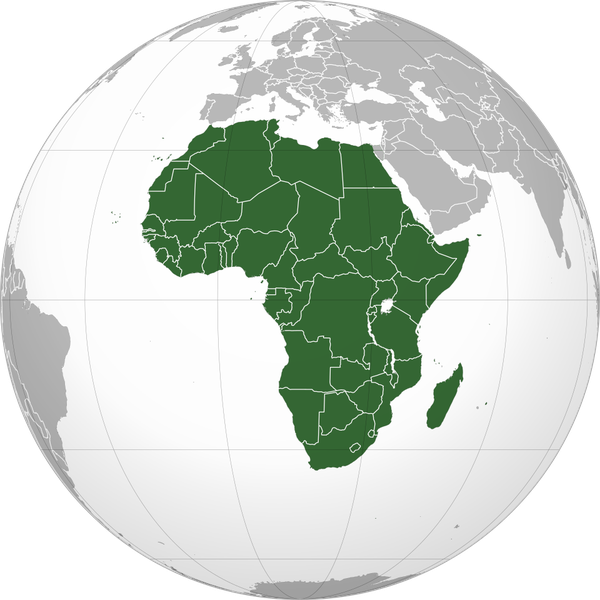
One eSIM for 21 African countries: safari routes, North Africa, Lagos and Cape Town
Choose a Africa eSIM plan
Choose the perfect plan for your Africa adventure
1 GB
7 Days- 1 GB Internet
- Wi-Fi Hotspot Allowed
- Instant Activation
- Validity Starting on First Use
3 GB
30 Days- 3 GB Internet
- Wi-Fi Hotspot Allowed
- Instant Activation
- Validity Starting on First Use
All plans include 4G/5G coverage across Africa • No contracts • Instant Activation
Why travelers choose Esimy
- No contracts
- 24-hour days, counted from your first connection at your destination
- Add data to the same eSIM anytime
- Wi-Fi hotspot: Allowed on all plans
Before you buy your Africa eSIM
Is my phone compatible?
Quick check: dial *#06# on your phone. If an EID number appears, your phone supports eSIM. It also needs to be carrier-unlocked.
How much data do I need?
A rough estimate based on typical use. Video and hotspot use the most data.
eSIM Africa: one data plan for 21 countries, north to south
An eSIM Africa plan from Esimy gives you one data line for 21 countries, which suits how most Africa trips go: a start in Nairobi, a drive south into the Serengeti, then a flight on to Zanzibar or Victoria Falls.
The eSIM connects to local networks country by country. In Egypt it uses Vodafone, Orange or e&; in South Africa, Vodacom or Telkom; across much of East and Central Africa it runs on Airtel. Some big names are missing. Safaricom in Kenya isn’t included, nor is MTN in Nigeria, Uganda, Ghana, South Africa or Zambia, and Vodacom is only used in South Africa. Cities and main roads get 4G/LTE; game reserves and rural areas are patchy.
Data on this plan costs more than in most of our regions. Roaming deals with more than 30 networks don’t come cheap, so the sizes are 1 GB for 7 days and 3 GB or 5 GB for 30 days. Need more? Top up the same eSIM. If you’re staying months in one country, a local SIM card is often cheaper, though you’ll register it with your passport.
The plan is data only, with no African number. Calls go over WhatsApp, which drivers, guides and hotels use anyway. Flying into Lagos or Kinshasa for work? The eSIM runs on Glo or Airtel in Lagos and on Airtel in Kinshasa. No ID check, the QR code arrives by email once you’ve paid, and validity starts at first connection in any covered country.
Africa eSIM at a glance
- Networks
- Airtel, Orange, Ooredoo, Maroc Telecom, Mobilis and more
- Speed
- 4G/LTE, 5G where available
- Plans
- 3 · from 4.99 €
- Validity
- 7–30 days 24-hour days, counted from your first connection at your destination
- Wi-Fi hotspot
- Allowed on all plans
- Calls & SMS
- Data only
- Top-up
- Add data to the same eSIM anytime No new QR code needed
- Delivery
- Instant delivery by email and in the Esimy app
- Refunds
- Within 30 days of purchase if the QR code hasn't been scanned Refund policy
Compare Africa eSIM plans
Need help with your Africa eSIM?
Real people, 24/7Message our support team on WhatsApp or by email. We help with installation, activation and connection problems, day and night.
Countries included in your Africa eSIM
21 countriesCountries and local networks included with your Africa eSIM.


No matching countries in this plan. Try another country name.
One eSIM for your trip. Use your plan across the countries above.
How Esimy Works?
Select a Package
Choose from range of multiple countries/packages.

Scan QR Code with instructions received over your email
Easy activation with email details or our intuitive website dashboard.

Ready for travel!
Have the best trip possible without internet hassles.
Manage your eSIM with the Esimy App
Install, activate, and track your data — all from your phone.
- Add data to the same eSIM anytime
- Free 1 GB on every app order of 3 GB or more
- Send eSIMs as gifts and redeem the ones you receive
- Get notified about your data usage
- 5% back in your Esimy Wallet on every order
- Invite friends: €3 for you and €3 for them
Get it now
Available on the App Store and Google Play

eSIM vs Physical SIM Card in Africa
Compare the benefits of using an eSIM data plan versus a traditional SIM card for international travel to Africa.
Africa Travel and Connectivity Guide
Networks, safari coverage and border crossings in 21 countries
Countries covered
North Africa, the West and Central African business hubs, the East African safari countries, the south and three Indian Ocean islands, all on one eSIM:
Networks by country
• Morocco: Maroc Telecom (IAM), Orange
• Algeria: Mobilis, Djezzy, Ooredoo
• Tunisia: Ooredoo, Tunisie Telecom
• Egypt: Vodafone, Orange, e& (Etisalat)
• Senegal: Orange
• Ghana: AT (formerly AirtelTigo)
• Nigeria: Glo, Airtel
• Niger, Chad, Gabon, Republic of the Congo, DR Congo: Airtel
• Kenya, Uganda, Malawi, Zambia: Airtel
• Tanzania: Yas (formerly Tigo), Airtel
• South Africa: Vodacom, Telkom
• Madagascar: Telma, Airtel
• Mauritius: Emtel, my.t mobile, CHILI
• Réunion: Orange, Free
Not included: Safaricom in Kenya, MTN in Nigeria, Uganda, Ghana, South Africa and Zambia, and Vodacom anywhere outside South Africa.
Crossing borders
Your phone moves to the next country’s network by itself. At the Namanga post on the Nairobi to Arusha road it lets go of Airtel Kenya and picks up Yas or Airtel Tanzania, usually after a few minutes with no signal. The ferry over the Congo River between Kinshasa and Brazzaville works the same way. After a flight, Cairo to Nairobi for example, switch off flight mode and give the phone a minute or two to find a network. Nothing needs reinstalling, and the validity keeps counting from your first connection rather than restarting in each country.
Where the eSIM Africa signal runs thin
Cities, airports and the main roads between them are generally fine. Inside the parks it’s a different story. Safaricom, Kenya’s biggest network, isn’t on the plan, and Airtel’s signal in the Masai Mara and Amboseli is patchy. Expect the same on game drives in the Serengeti, on the gorilla trails in Bwindi and along the Lower Zambezi and South Luangwa. Desert trips are similar: the dunes past Merzouga in Morocco, or Egypt’s White Desert. Download offline maps before you leave town, and keep photo uploads for lodge or camp Wi-Fi, which many places have, though it can be slow.
Data usage tips
Expect to pay more per GB than on most of our regional plans. The plan relies on roaming agreements with more than 30 separate networks, and many of them charge a lot, so the sizes stop at 5 GB.
• 1 GB (7 days): a few days in Cairo or Marrakech, or a short business trip to Lagos with email, WhatsApp and ride-hailing
• 3 GB (30 days): a one- or two-week safari where lodge Wi-Fi covers the evenings
• 5 GB (30 days): a longer route through several countries, with maps, photos and the odd video call
• More than 5 GB: top up the same eSIM from your dashboard or the Esimy app
• To make it last: download offline maps, set photo backup to Wi-Fi only and update your apps before you fly
Not covered
Sudan isn’t covered, and nor are several countries that often share an itinerary with this plan. Each of these has its own Esimy eSIM:
- Rwanda, for gorilla treks in Volcanoes National Park
- Ethiopia
- Botswana, including Chobe day trips from Livingstone
- Mozambique
- Côte d’Ivoire
- Mali
Zimbabwe and Namibia are outside the plan too. At Victoria Falls the eSIM works on the Zambian side, in Livingstone and on the Knife-Edge Bridge, but not in Victoria Falls town.
Why travelers choose Esimy Africa
- One eSIM for a safari that crosses Kenya, Tanzania, Uganda and Zambia
- No passport registration at a SIM counter after a long-haul arrival
- Validity starts at your first connection in any of the 21 countries
- Hotspot allowed, and top-ups go onto the same eSIM
- Your home SIM stays on in dual-SIM for bank texts
Support
Live chat, email and WhatsApp, 24/7. If the eSIM doesn’t pick up a network after a border, message us over lodge or hotel Wi-Fi and we’ll check the line.
eSIM FAQs
Common questions about using eSIM in Africa
Does it cover Rwanda and the Zimbabwe side of Victoria Falls?
No to both. Gorilla treks in Rwanda’s Volcanoes National Park need our Rwanda eSIM. Uganda is on the plan, so treks in Bwindi run on Airtel Uganda, with patchy signal on the trails. At Victoria Falls the eSIM works on the Zambian side, in Livingstone and Mosi-oa-Tunya National Park, and stops once you cross the bridge into Zimbabwe. A day trip to Chobe in Botswana needs the Botswana eSIM.
Will I have signal on safari?
Some of the time. Park gates, lodges and nearby towns often get a signal; game drives in the Masai Mara, the Serengeti, South Luangwa or the Lower Zambezi, and the trekking trails in Bwindi, often don’t. Download offline maps and your booking details before each park, and send videos once you’re back in town.
Is it cheaper than buying one eSIM per country?
Not always. For a trip to one country, the single-country plan is often cheaper, for example our Morocco eSIM or Kenya eSIM. The regional plan pays off once you visit two or more of the 21 countries, because one eSIM and one balance cover the whole route. For a long stay in a single country, an Africa SIM card bought locally is often cheaper still: you register it with your passport at an operator shop, and in return you get a local number and mobile money.
Will my phone work with the Africa eSIM?
If it’s eSIM-capable and not locked to a carrier, it will. That includes recent iPhone, Samsung Galaxy and Google Pixel models. Check yours on our list of supported devices before you buy.
Can I share the data with a laptop or another phone?
Hotspot and tethering are allowed. With 5 GB as the largest plan, though, a laptop can eat through your data quickly with updates and cloud sync running, so pause those or leave them for hotel Wi-Fi.
Can I top up the Africa eSIM?
Any time, from your Esimy dashboard or the app. The extra data goes onto the eSIM already in your phone, with no new QR code. Do it from town or on Wi-Fi before you head into a park.
Which plan size suits a two-week trip in Africa?
For most two-week safaris, 3 GB is enough, because you’ll spend long days in the parks with little signal and evenings on lodge Wi-Fi. A city-heavy trip or work travel to Lagos, Accra or Nairobi, with email and video calls, fits 5 GB better. Those are the largest sizes on this plan. If 5 GB runs out, top up the same eSIM rather than buying a new one.
Is there a phone number with the Africa eSIM?
No. It’s data only, so you get no local number, no calls and no SMS. WhatsApp covers most of what you’d want a number for, since safari drivers and guesthouses use it to confirm pickups. Leave your home SIM on in dual-SIM for bank codes.
Does it work when I cross from Kenya into Tanzania?
Yes, on the same eSIM. At the Namanga border post your phone leaves Airtel Kenya and joins Yas or Airtel in Tanzania without you touching a setting, though a short spell with no signal around the crossing is normal. Flying from Nairobi to Kilimanjaro or Zanzibar works the same way once you switch off flight mode. Validity keeps running across both countries.
Which network does the Africa eSIM use in Kenya?
Airtel Kenya. Safaricom, the country’s biggest network, isn’t included. Nairobi, Mombasa and the main roads are fine for maps, Uber or Bolt and WhatsApp, but in the Masai Mara, Amboseli and other reserves the signal is patchy, so plan on lodge Wi-Fi there. M-Pesa also needs a local Safaricom line, which this eSIM can’t give you.
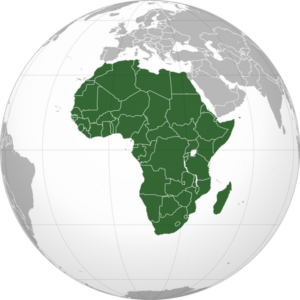
Which countries does the Africa eSIM cover?
There are 21 in total:
- North Africa: Morocco, Algeria, Tunisia, Egypt
- West and Central Africa: Senegal, Ghana, Nigeria, Niger, Chad, Gabon, Republic of the Congo, DR Congo
- East Africa: Kenya, Uganda, Tanzania
- Southern Africa: Malawi, Zambia, South Africa
- Indian Ocean: Madagascar, Mauritius, Réunion
Sudan, Ethiopia, Rwanda, Botswana, Mozambique, Zimbabwe and Namibia aren’t on the list.
What is the best eSIM for Africa?
The one that matches your route. If you’re visiting two or more of the 21 countries on this plan, a regional eSIM saves you buying and installing a new plan at every border. Esimy’s Africa eSIM connects to local networks such as Airtel, Orange, Vodacom and Maroc Telecom, needs no ID, allows hotspot and can be topped up. Check the networks for your countries first: Safaricom and MTN aren’t included, and that matters most in Kenya, Ghana and Nigeria.